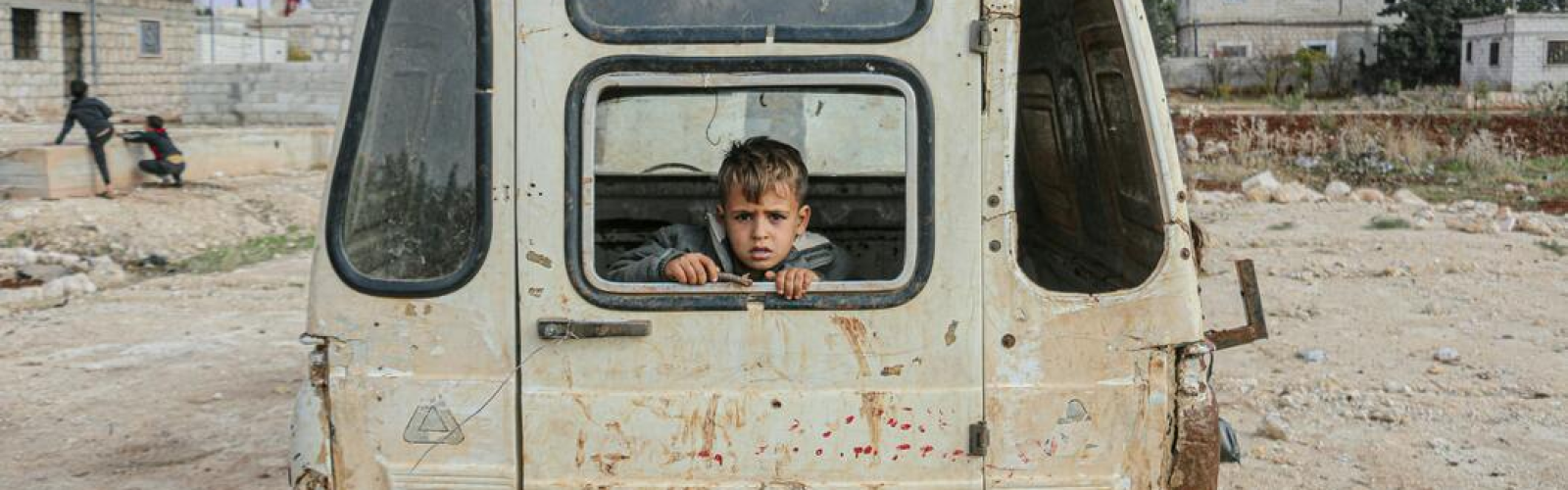

The end of open conflict in Southeast Asia did not mean an end to suffering for those who fled. Many people who escaped violence and instability carried their trauma into new countries, where they faced unfamiliar systems, economic hardship, and social isolation. What followed were decades of complicated challenges—legal, emotional, financial, and cultural—as they tried to rebuild their lives far from home.
1. Surviving Dangerous Journeys by Sea and Land
For countless families, leaving was only the beginning of their ordeal. Those who escaped by boat encountered overcrowded vessels, ruthless smugglers, piracy, storms, and extreme shortages of food and water. Many were lost at sea, and survivors often arrived in neighboring countries deeply traumatized and physically weakened. Others fled over land, crossing borders through jungles and minefields, facing the constant threat of arrest, abuse, or forced return.
2. Years Spent in Overcrowded Refugee Camps
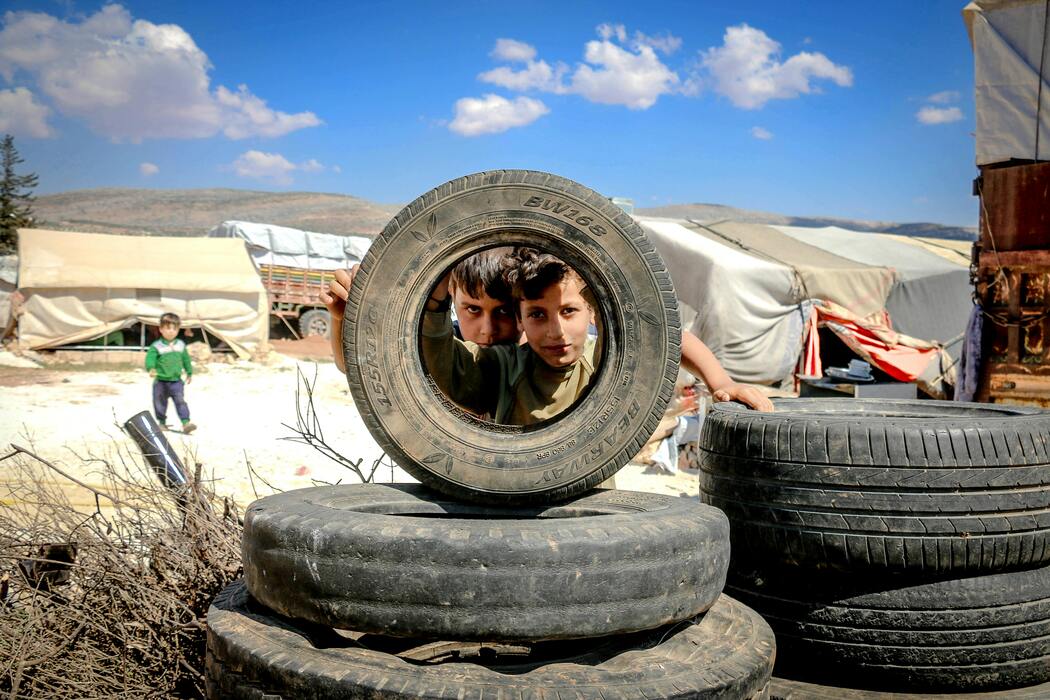
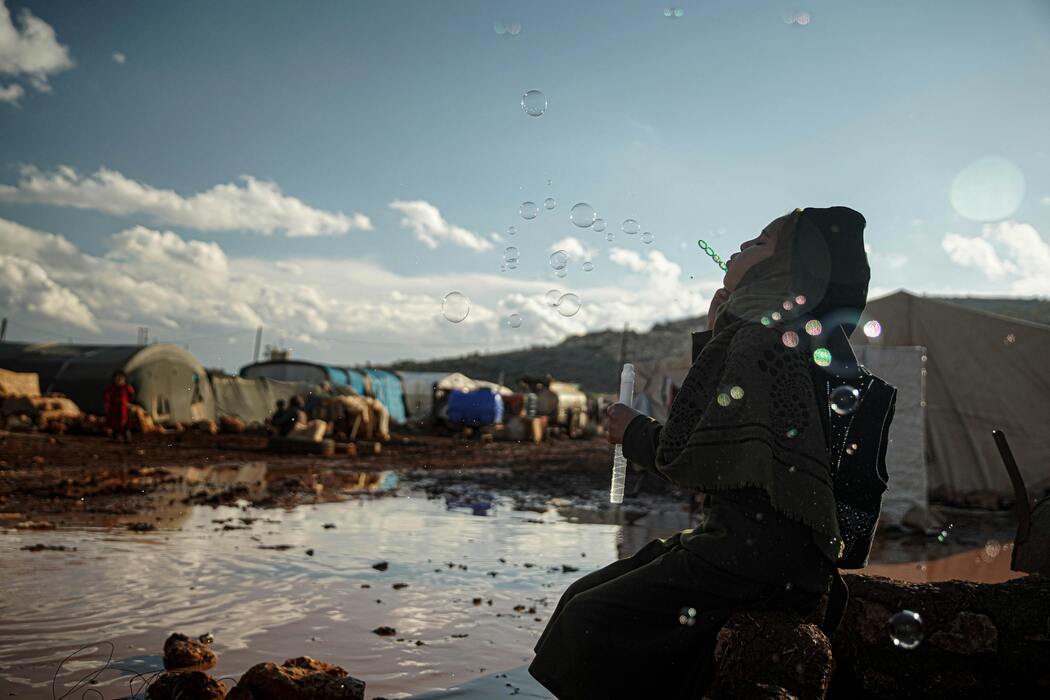
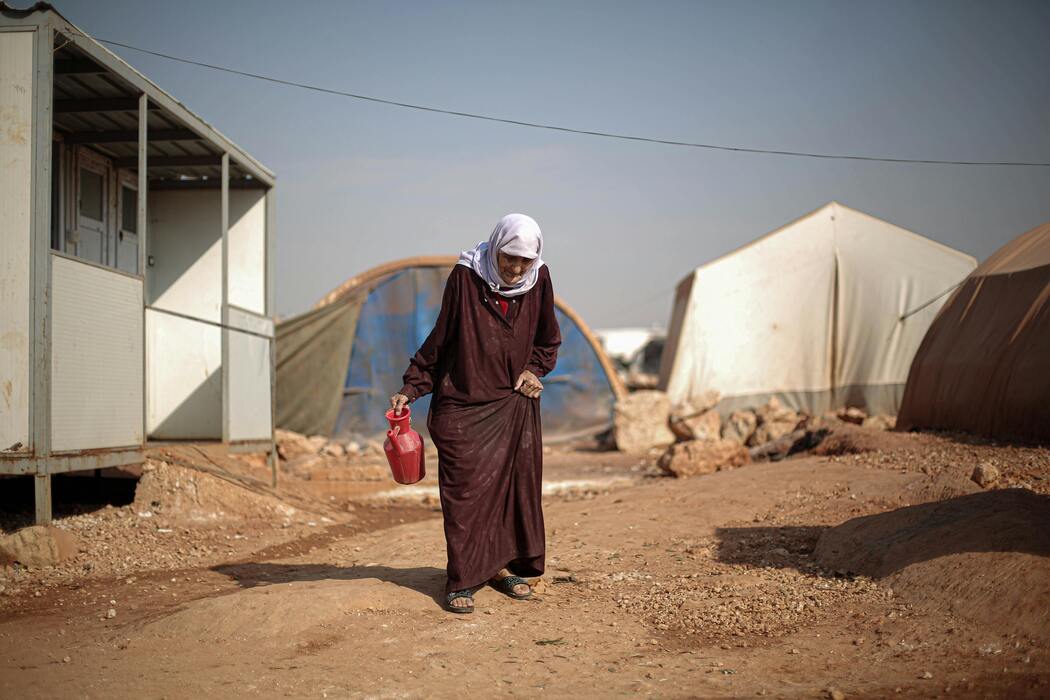
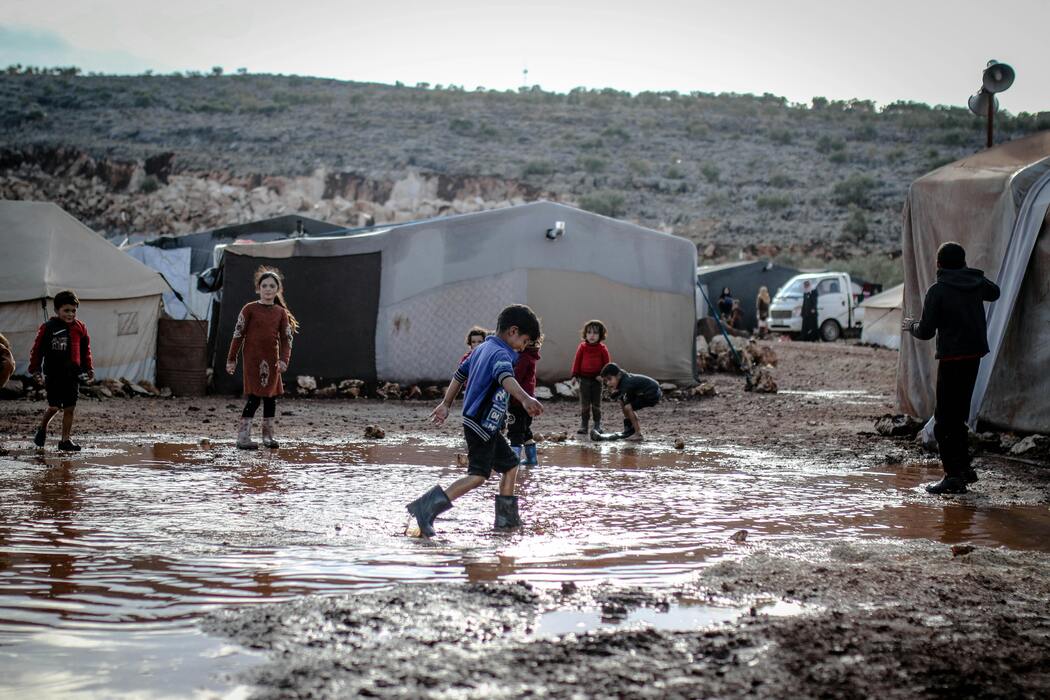
Refugee camps in places like Thailand, Malaysia, Hong Kong, and the Philippines were meant to be temporary, yet many people lived there for years. Makeshift shelters, limited medical care, and scarce educational opportunities made daily life extremely difficult. Negotiations over resettlement were slow and often uncertain, leaving families in limbo. Children grew up knowing only camp life, with their education interrupted and their sense of safety constantly shaken.
3. Navigating Complex Paperwork and Legal Systems
Gaining legal status in a new country meant dealing with dense paperwork, interviews, and background checks, frequently in a language they did not understand. From immigration forms to employment documents and tax filings, every step demanded precision and documentation that many did not have. Even years later, former refugees continue to manage bureaucratic requirements—visas, naturalization, business permits, and tax compliance. Modern tools like a pdf invoice generator can now simplify at least part of this burden for those who become freelancers or small business owners, helping them organize their finances and meet formal requirements more easily.
4. Coping with Deep Psychological Trauma
The mental and emotional toll extended far beyond the initial escape. Many individuals had witnessed violence, imprisonment, or the loss of family members. Nightmares, anxiety, depression, and survivor’s guilt often persisted for decades. In their new homes, mental health services were not always accessible or culturally sensitive, and stigma around counseling meant that many suffered in silence. Parents sometimes avoided talking about the past, leaving the next generation with fragments of painful history but little context to understand it.
5. Struggling with Language Barriers and Culture Shock
Adjusting to life in Western countries often meant learning new languages from scratch while trying to navigate school, work, and daily tasks. Simple interactions—shopping, using public transportation, filling out forms—became major hurdles. At the same time, unfamiliar social norms, customs, and expectations could be overwhelming. Parents who learned more slowly became dependent on their children to interpret at medical appointments, parent–teacher meetings, and government offices, reversing traditional family roles and creating additional stress.
6. Starting Over Economically from Nothing
Many refugees arrived with no savings, no recognized qualifications, and no professional network. Highly educated individuals often had to accept low-wage, physically demanding jobs unrelated to their prior careers. Re-certification in fields like medicine, law, or engineering could take many years or be nearly impossible. In spite of these obstacles, countless families worked multiple shifts, launched small businesses, and emphasized education for their children as the primary path to stability and upward mobility.
7. Facing Discrimination and Social Exclusion
Resettlement did not guarantee a warm welcome. Refugees encountered prejudice, xenophobia, and misunderstanding from some local residents and institutions. Media coverage and political rhetoric sometimes painted them as burdens or threats, rather than as survivors seeking safety. Housing discrimination, workplace bias, and school bullying were common, adding another layer of hardship to an already difficult transition. These experiences slowed integration and reinforced feelings of not fully belonging anywhere.
8. Balancing Cultural Preservation and Assimilation
Over time, families walked a delicate line between preserving their heritage and adapting to their new environment. Parents sought to maintain language, traditions, and values while helping their children succeed in local schools and workplaces. Generational tensions often surfaced: younger people could feel caught between expectations at home and the norms of their peers. Some feared losing their cultural identity, while others struggled with the pressure to conform. Community associations, cultural centers, and religious institutions played a key role in helping maintain a sense of continuity.
9. Rebuilding Community Networks Across Borders
Displacement scattered families across continents. Re-establishing supportive networks required determination and creativity: writing letters, saving for long-distance calls, and later using email and video chats to reconnect with loved ones. Some communities worked together to sponsor relatives still in danger, raise funds for those left behind, or support reconstruction projects back in their country of origin. Though separated physically, they sustained a shared identity and mutual aid system that helped them endure the long-term effects of displacement.
10. Living with an Ongoing Legacy of War
Decades after the fighting stopped, the legacy of conflict continues to influence health, identity, and opportunity for survivors and their descendants. Chronic illnesses linked to wartime conditions, unresolved family losses, and unprocessed trauma shape daily life in subtle and profound ways. At the same time, many have built thriving communities, contributed to their adopted countries in business, culture, and public service, and shared their stories to prevent future atrocities. Their resilience is inseparable from their suffering: both are essential to understanding what they endured long after the guns fell silent.
Conclusion
For those who fled, the official end of conflict marked not a conclusion but the start of a new, uncertain chapter. Dangerous escapes, protracted stays in camps, legal and economic struggles, and the weight of trauma all persisted for years and, in many cases, generations. Yet within these hardships lies a record of extraordinary perseverance. By acknowledging the full scope of what they endured after the war, we gain a clearer view of both the costs of conflict and the strength required to rebuild lives from almost nothing.